
Similar Games
How Say Cheese! compares to We Become What We Behold and other Roblox story games, and which comparisons hold up once you check what this game actually publishes.
Introduction
Comparisons are how most players find a game and how most misunderstandings about it start. Say Cheese! invites two kinds of comparison. The first is explicit and safe: the developer names Nicky Case's We Become What We Behold as the inspiration, so discussing the shared idea about media amplifying a crowd is fair and interesting. The second is implicit and risky: because it is a short choice-driven story on Roblox, it gets grouped with narrative experiences that have entirely different structures, and readers then expect systems this game never documented. This section keeps those two apart. It explains which comparisons hold up once you check what the game actually publishes, which ones collapse, and how to use a comparison without letting it become a prediction. The test applied throughout is simple: does the comparison concern theme and tone, or does it assume a mechanic, an economy or a content structure that no primary source supports.
Comparison Validity
| Comparison | Does it hold? | Why |
|---|---|---|
| Theme with We Become What We Behold | Holds | The creator names it as the inspiration for the concept |
| Scenes or outcomes with that game | Does not hold | No published basis; separate works with separate content |
| Short narrative session | Holds | The official page describes a framed story rather than a loop |
| Choice-driven structure | Holds | The page explicitly hands the outcome to the player |
| Economy or progression like other titles | Does not hold | No such system appears in any official text |
| Multiplayer design like Roblox peers | Does not hold | Server capacity is a platform value, not a mode |
Comparison Axes
The Named Influence
The one comparison the creator makes in public, and the exact boundaries of what it supports.
Form Comparisons
Comparing shape rather than content, which is the only comparison this game's documentation supports.
Choosing What to Play Next
How to decide whether this game fits you, using only what is actually published about it.
Genre Neighbours
Which neighbouring genres are fair comparisons and which ones import systems that do not exist.
What a Comparison Is For
How a comparison can help you decide what to play without becoming a prediction.
After You Finish
Where a comparison becomes interesting, once you have your own run to compare against.
Core Mechanics
The working rule is to compare only what both games publish. For the named inspiration, the overlap is thematic: coverage is not neutral, a crowd reacts to what it is shown, and the reaction becomes the story. That is a real and documented connection, because the developer states it. Beyond that, the two works diverge, and treating the older game as a map of this one produces expectations that cannot be satisfied. For broader comparisons with Roblox narrative experiences, the overlap is formal rather than mechanical: short, choice-driven, story-first, minimal systems. Those are fair descriptors. What does not transfer is any specific structure such as a scene-by-scene breakdown, a relationship meter or a repeatable progression loop, because none of them has a source here. The discipline is to name the axis you are comparing on, then check whether evidence exists on both sides of that axis.
Advantages
The advantage of axis-based comparison is that it makes recommendations useful. Saying a game is like another game is meaningless until you say on which dimension, and once you do, a reader can decide for themselves whether that dimension matters. Someone who wants a sharp single idea will find this game appealing for the same reason a longer experience might disappoint them, and both statements can be true at once. The approach also keeps the named inspiration from becoming a spoiler engine: you can discuss the theme of media amplification without claiming that a specific scene must occur. Finally, it protects you from the most expensive comparison error, which is buying into an expected system. If you approach this game expecting an economy and a progression curve because other Roblox titles have them, you will spend your session looking for something that was never described.
Challenges
The limitation is that comparisons with a game this undocumented are necessarily thin. There is not enough published material to compare systems, pacing or content depth, so the section leans on theme and form, which are the two dimensions least useful to a player deciding what to play next. A second weakness is that the named inspiration carries cultural weight: readers who loved it may expect a similar emotional payoff, and readers who disliked it may dismiss this game without trying it. Neither reaction is grounded in anything the creator published. Third, comparison ages badly. If the developer adds documented content later, axes that currently do not hold may start to hold, and this page will need revision rather than defence. It should be read as a snapshot of what could be compared on 31 October 2026.
Frequently Asked Questions
What games are most similar to Say Cheese!?+
Is Say Cheese! a Roblox version of We Become What We Behold?+
Should I play this if I want a long progression game?+
Quick Tips
Name the axis before you compare. Saying one game is like another means nothing until you say whether you mean theme, length, structure or mechanics. Once the axis is explicit, you can check whether evidence exists on both sides, and most bad comparisons collapse at that step because one side has no published basis at all.
Do not carry systems across a comparison. Other Roblox narrative games may have currencies, rankings or repeatable routines, and none of that transfers here unless this game documents it. The official page describes a role, a setting, a mechanism and a choice, and that is the entire published feature set to compare against.
Use the named inspiration to think about the argument, not to predict the plot. The developer's credit tells you the concept came from a game about media amplification, which is a useful lens for interpreting what you see. It does not tell you which scenes exist, who appears in them or how the run resolves, and treating it as a preview spoils the comparison and the game.
Featured
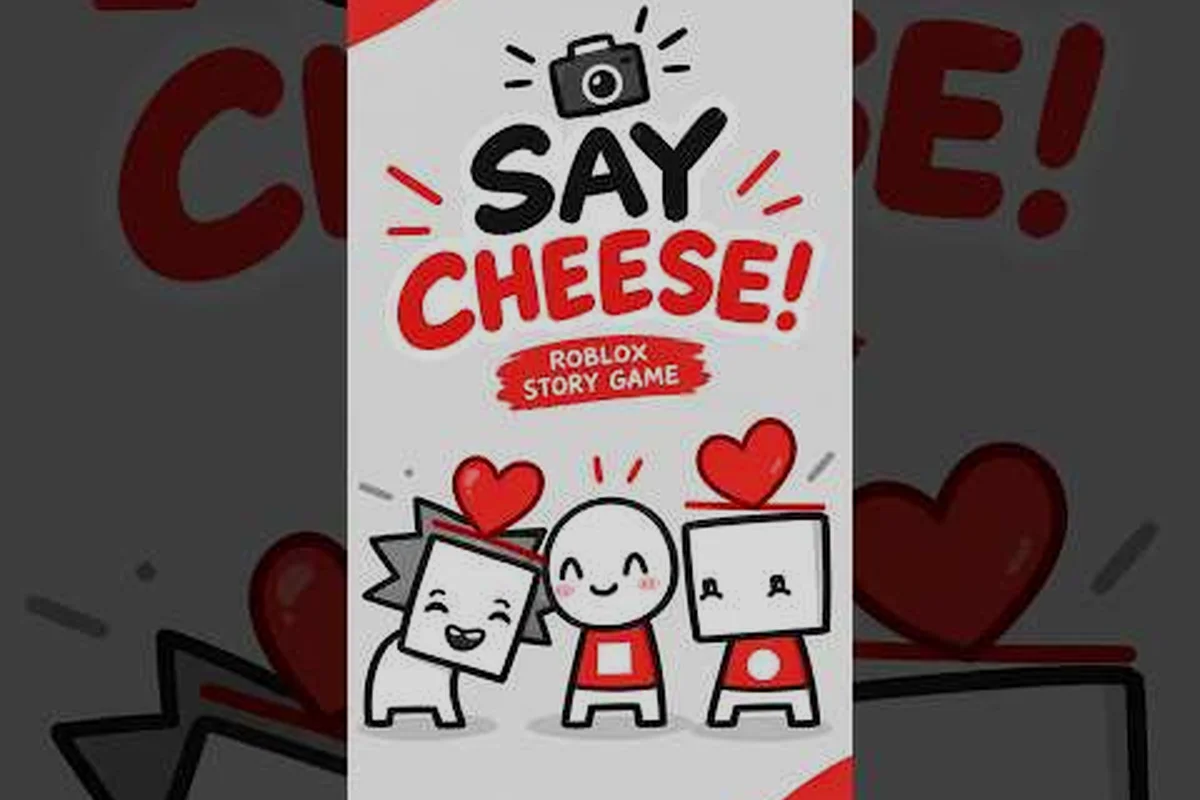
Say Cheese! Roblox Adventure Genre, Explained
Learn how Say Cheese Roblox adventure genre labels shape expectations, reveal its story focus, and help you find similar games.
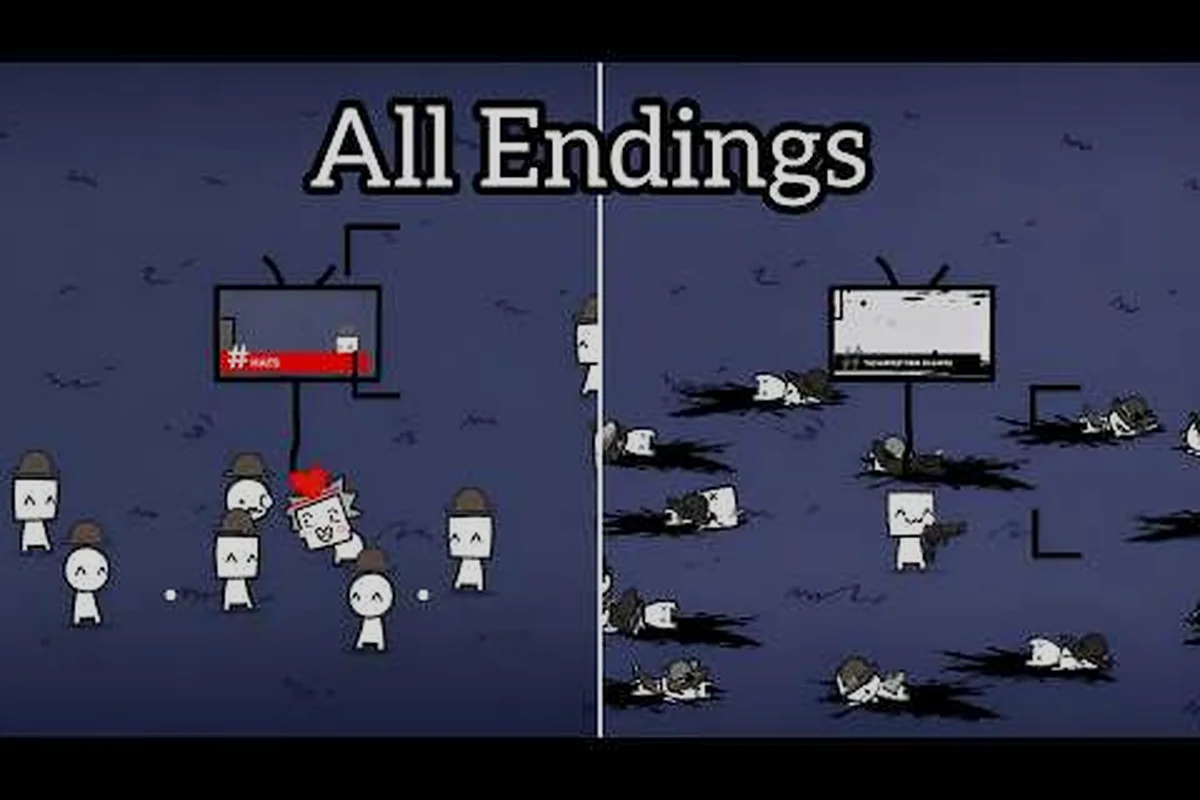
Say Cheese! Roblox Compared To Its Cited Inspiration
See Say Cheese Roblox compared to its cited inspiration at theme level, and learn where that comparison must stop to stay honest.
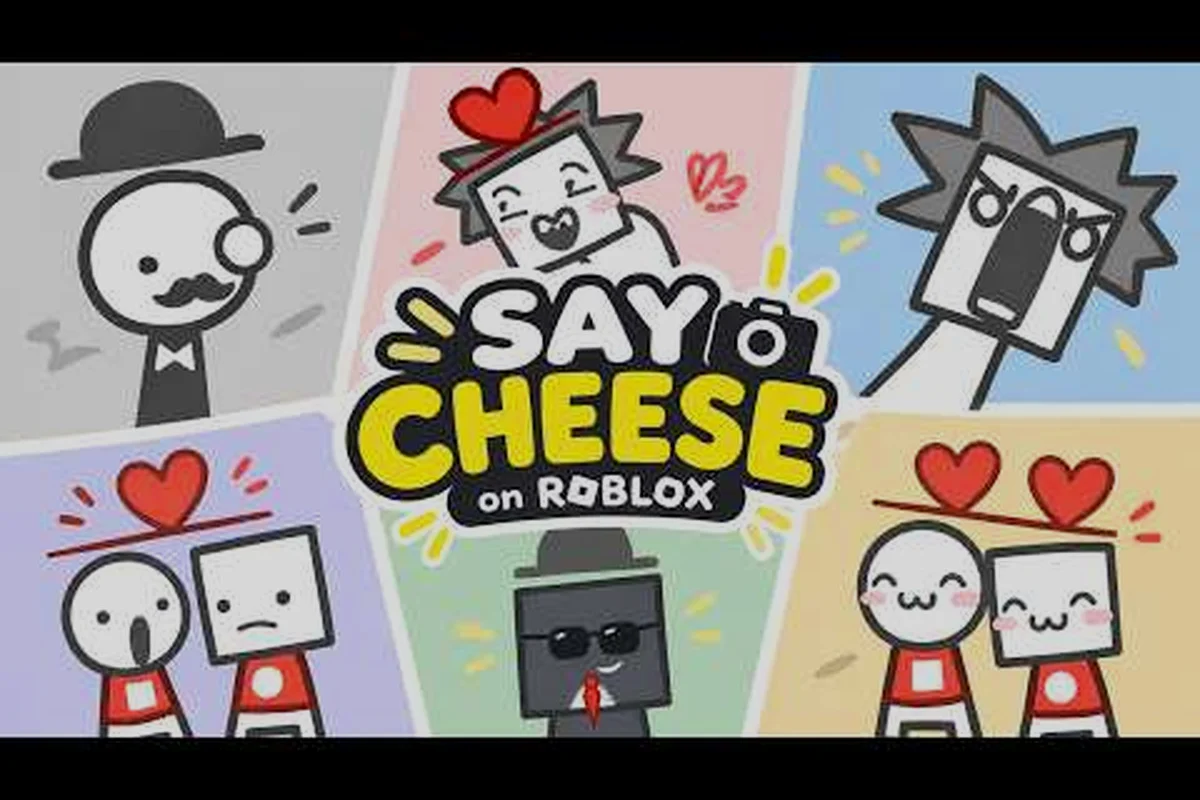
Say Cheese! Best Roblox Story Games to Compare
Compare the best Roblox story games with a practical framework based on design intent, player agency, narrative clarity, and page evidence.
All Articles
Say Cheese! Games Like Say Cheese Roblox to Try Next
Find games like Say Cheese Roblox by matching its media-driven story, branching choices, minimalist look, and decision-focused gameplay.
Say Cheese! Roblox Games That Make You Think
Find Roblox games that make you think by checking theme signals, evaluating arguments, and discovering interactive stories with meaningful choices.
Say Cheese! Roblox Games Where Choices Change Outcomes
Compare Roblox games with choices by testing whether a branch actually changes anything, using one controlled run per option.
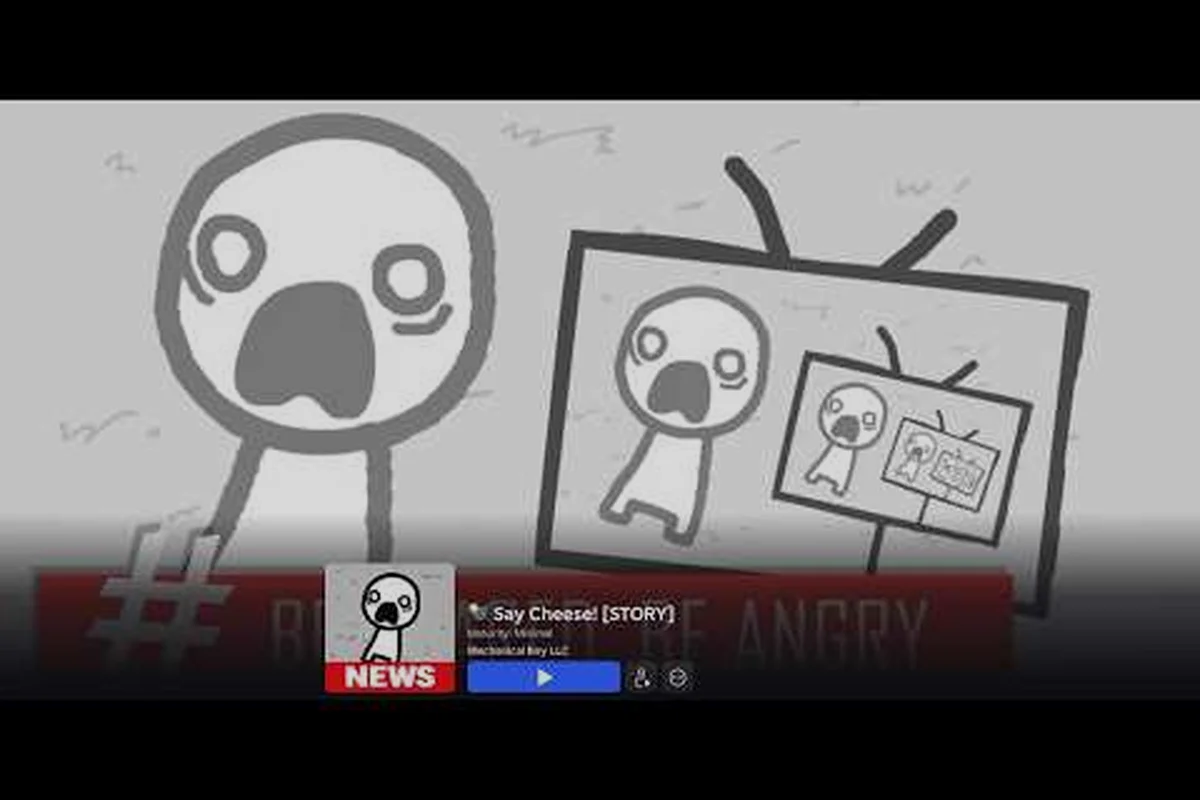
Say Cheese! Roblox Similar Vibe Games You Can Test
Find Say Cheese Roblox similar vibe games by translating its hand-drawn style, sardonic tone, and media theme into practical search terms.