
Endings
How Say Cheese! endings work, what the creator has actually published about outcomes, and a replay method for tracking which choice moved your run in a given direction.
Introduction
Endings are the most searched and least documented part of Say Cheese!. The official description presents the outcome as a choice between destroying a peaceful society and trying to change fate toward hope, and then hands the decision to the player. That is enough to support one claim: more than one direction is intended. It is not enough to support a list, a count, or a set of trigger conditions, and as of 2026-10-31 the creator has published none of those. This section therefore does something different from a typical endings page. It explains how to reason about outcomes in a game whose ending logic is undocumented, how to tell when a run is committing to a direction, and how to test whether a decision actually mattered. It also explains how to read community coverage without absorbing its assumptions, because almost every video on this game is titled around endings and almost none of them cite a developer statement.
What Is Confirmed About Outcomes
| Claim | Status | What that means for you |
|---|---|---|
| More than one direction exists | Confirmed on the official page | You can reasonably expect your decisions to matter |
| The outcome is the player's choice | Confirmed on the official page | No single scripted ending is the point of the game |
| A named ending list | Not published | Any list you see is a player report, not a confirmation |
| A specific number of outcomes | Not published | Numbers in video titles are unverified even when they agree |
| Trigger conditions | Not published | Test them yourself with single-variable replays |
Outcome Reasoning
Confirmed Framing
The one thing the official page settles about outcomes, and why it is enough to build a test around.
Branch Testing
A repeatable method for finding out whether a specific decision changed your outcome or merely felt important.
Reading Video Claims
How to watch an ending video without inheriting assumptions the creator never verified themselves.
What Players Report
The community consensus about multiple outcomes, stated as a report rather than as a fact.
Spotting a Locked Run
Signals that a run has already committed to a direction, which is the point where replay planning starts.
Core Mechanics
The mechanics of an undocumented ending system are mostly mechanics of observation. When you play, watch for the moment the game stops describing the world and starts asking you to decide something; that transition is the part of the run worth remembering. Immediately after the decision, note whether the crowd's behaviour changed, whether the framing of the screen changed, and whether the game gave you any explicit feedback. On a second run, change exactly one decision and repeat the same three observations. A real branch produces a different observation in at least one of them; a coincidence produces a different feeling but the same observable events. This sounds slow, and it is, but it is the only method that produces knowledge rather than belief. The second mechanic is language discipline: separate what the game showed you, what you inferred, and what someone else told you. Most arguments about endings collapse because those three get mixed together within a day of playing.
Advantages
Working this way has one large practical benefit: you stop needing to be right about a number. A player who insists the game has a specific count of outcomes has to defend that claim every time someone disagrees, and neither side can point to a source. A player who says the direction is confirmed while the count is not can simply show the official page and end the argument. The method also makes replays cheaper. If you know which single decision you changed, one extra run answers a real question; if you change three things at once, you have spent a full session and learned nothing about which one mattered. Finally, keeping your own log makes you independent of the guide economy around a twelve-day-old game. Videos published in the first fortnight were made under time pressure, and the log in your notes will still be accurate months later.
Challenges
The obvious weakness is that this section cannot give you the answer you probably came for. If you want a list of named outcomes with conditions, no honest page can provide one right now, and any page that does is repeating unverified material. A second limitation is that single-variable testing assumes the game behaves consistently, which is an assumption rather than a documented fact; if the experience is partly random, a changed outcome may reflect chance rather than a decision. The method also costs time: two careful runs take longer than watching a ten-minute video. And because the game is new, the creator may publish an official structure at any point, which would make parts of this reasoning obsolete. When that happens, this page will be rewritten from the primary source rather than patched with community claims.
Frequently Asked Questions
How many endings does Say Cheese! actually have?+
Can I get a different outcome by replaying?+
Why do guides disagree about the endings?+
Quick Tips
Write down the exact moment you made your final decision, including what the screen showed immediately before it. Later, when you compare two runs, that timestamp is what tells you whether the difference came from the decision itself or from something you did twenty minutes earlier. Without it, every comparison turns into a memory argument.
Change one variable per replay and resist the urge to also fix something else you noticed. Two changed decisions produce a different outcome that you cannot attribute to either one, which is how players end up with confident but unsupported theories about what triggers what. One variable is slow, and it is the only version that gives you an answer.
When a video names an outcome, check whether the creator shows the group name and place ID on screen. A guide for a same-named game will not mention either, and Say Cheese is a common phrase that several unrelated experiences share. That single check filters out more bad information than any amount of arguing in comment threads.
Featured
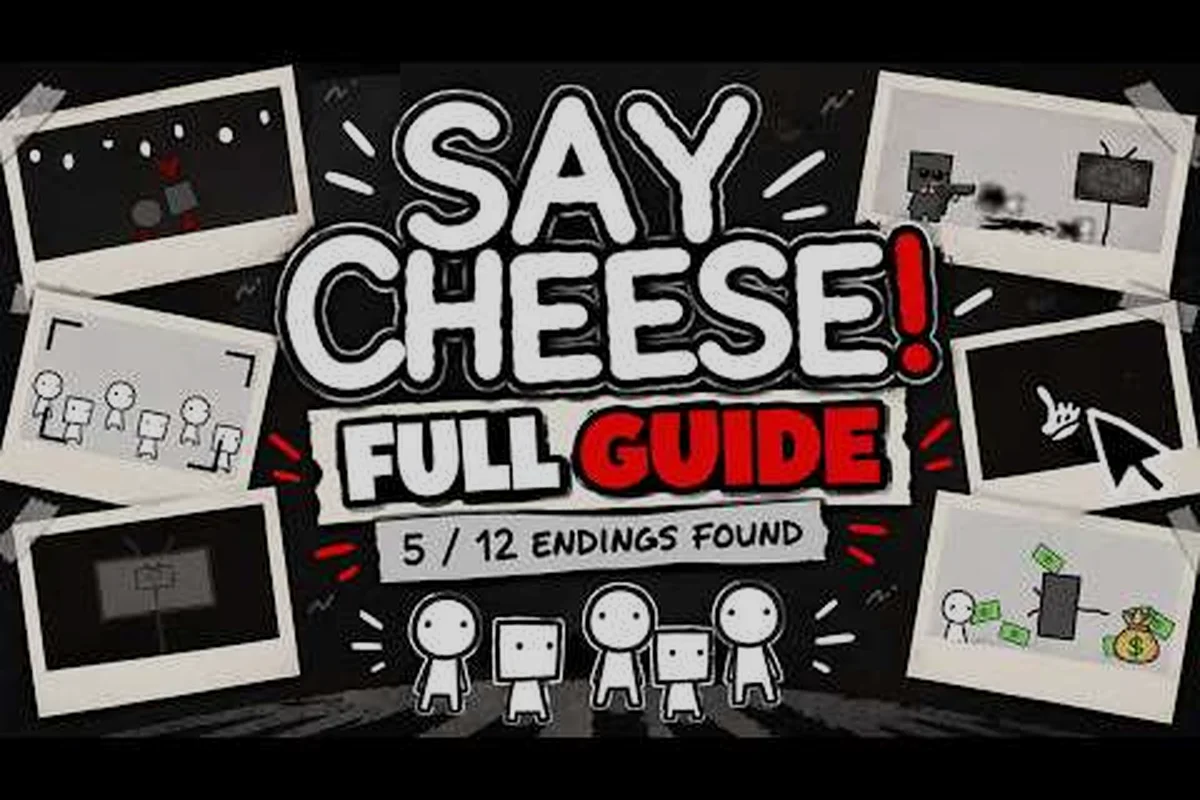
Say Cheese! Roblox Chaos Ending as the Text Describes It
Understand the Say Cheese Roblox chaos ending through its official wording, escalation clues, final choice, and careful limits on unconfirmed names.
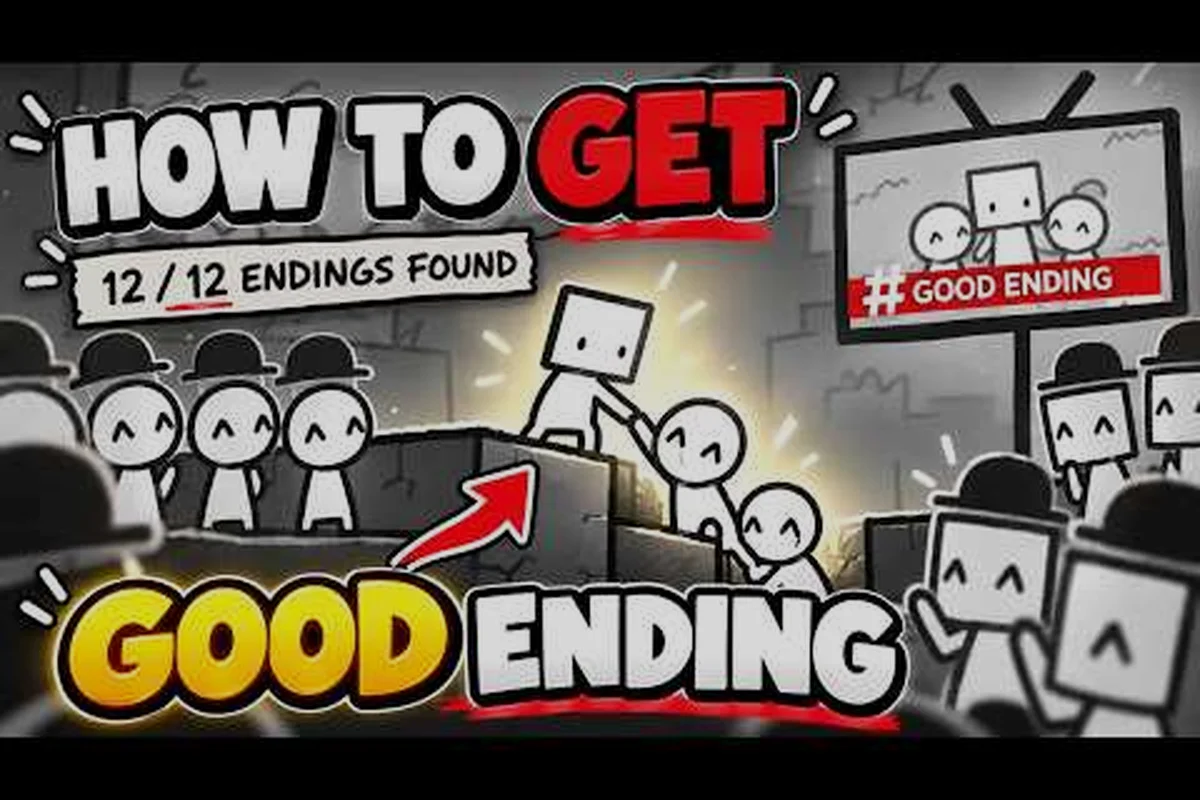
Say Cheese! Roblox Ending Conditions, Probed by Experiment
Test Say Cheese Roblox ending conditions with controlled runs, record each outcome, and build a repeatable method for verifying player theories.
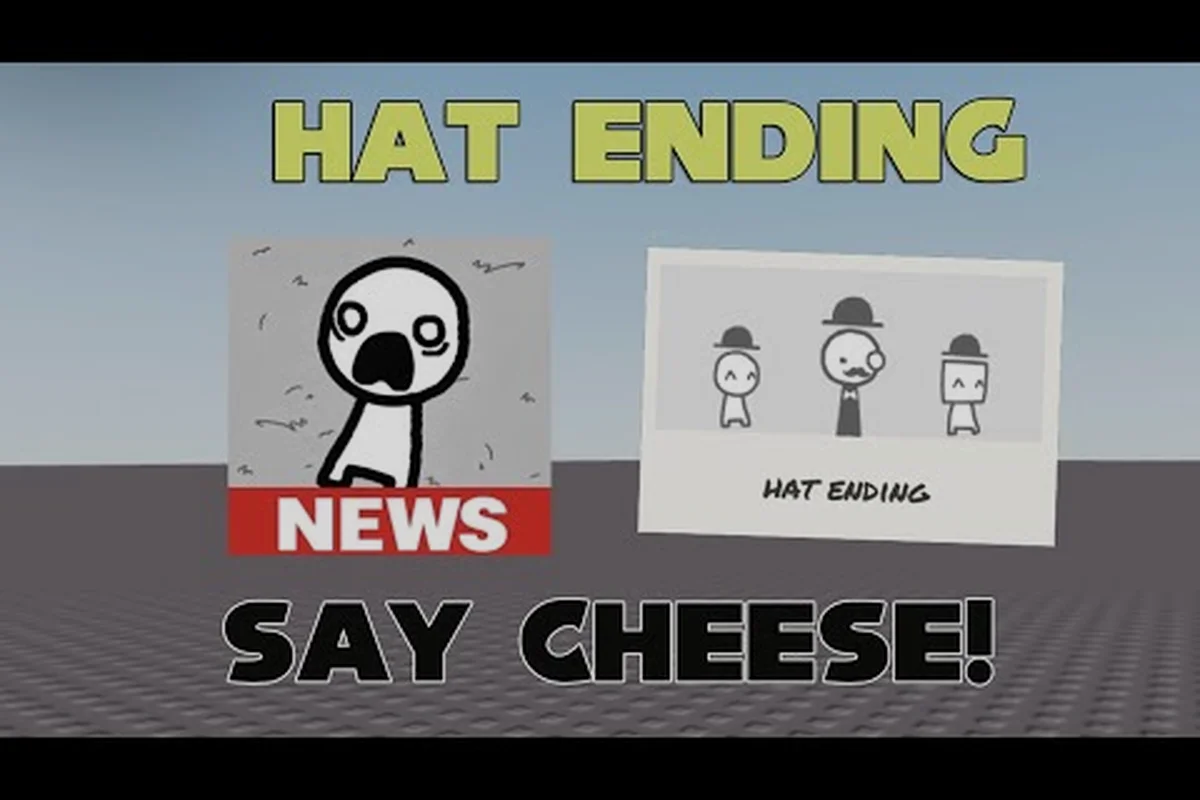
Say Cheese! Roblox Endings: What Is Confirmed So Far
Track Say Cheese Roblox endings without inventing a count, using the one structural fact the creator published and your own run log.
All Articles
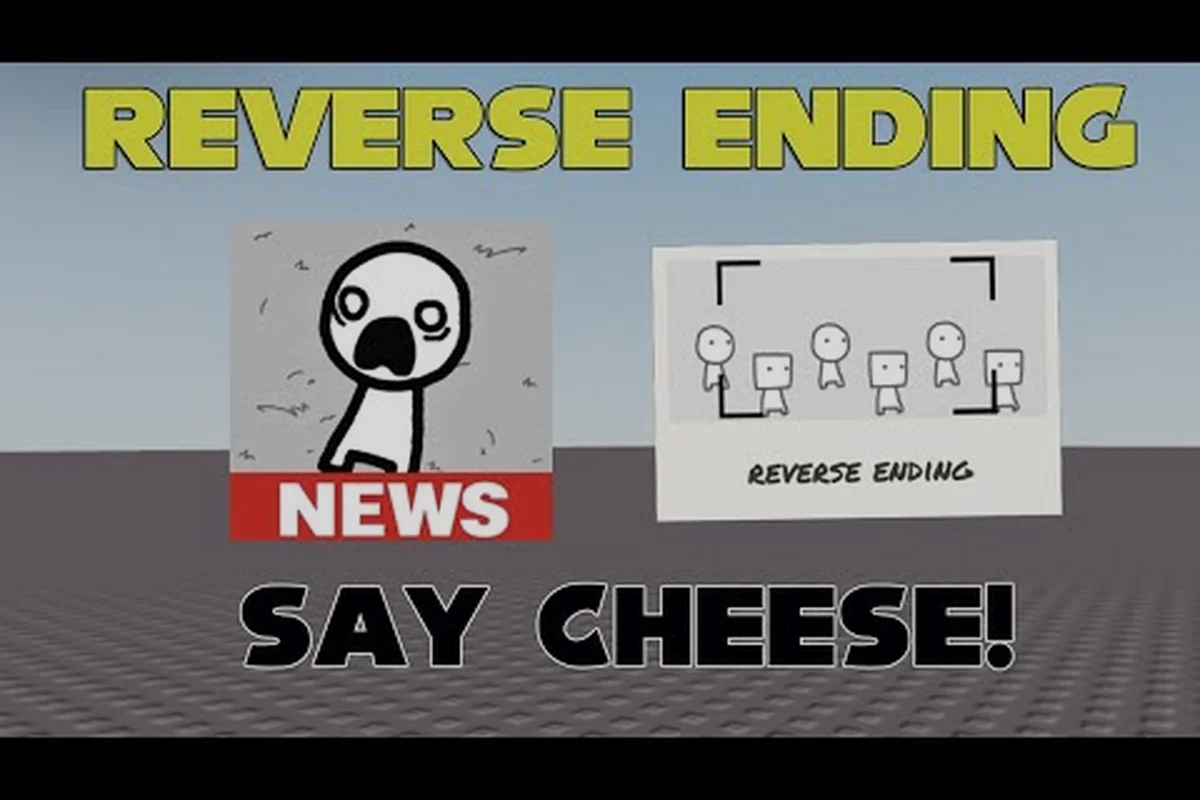
Say Cheese! Roblox True Ending: Testing the Claim
Test the Say Cheese Roblox true ending claim by isolating one variable per run instead of trusting a video title written for search.
Say Cheese! Roblox Choice Endings and How Branches Work
Read the Say Cheese Roblox choice endings question through the official binary wording, then isolate variables so each run proves something.
Say Cheese! Roblox Ending Checklist for Your Own Log
Track Say Cheese Roblox endings with a reliable checklist, compare replay notes, and verify claims without spreading unconfirmed information.
Say Cheese! Roblox Ending Meaning, Read Carefully
Explore Say Cheese Roblox ending meaning through its documented choice between destroying a peaceful society or bringing hope, without inventing plot details.